Knowing some basic car maintenance can save you cash, help your gas mileage, make driving safer, stop breakdowns, and just make things simpler.
Chris “Moose” Pyle, a certified mechanic at JustAnswer, says, “There’s no point in paying for simple stuff at a shop. You might wait hours for something you could do in half an hour. He continues, At my place, car care is for the family. Everyone helps out—vacuuming, washing windows, checking tire air and fluids.”
When you’re doing your own car work, always look at your car’s manual for the right numbers. If you get stuck, ask a mechanic online or check out some videos.
Here’s how to easily do basic car tasks, like changing wipers and checking tire air.
Check engine oil
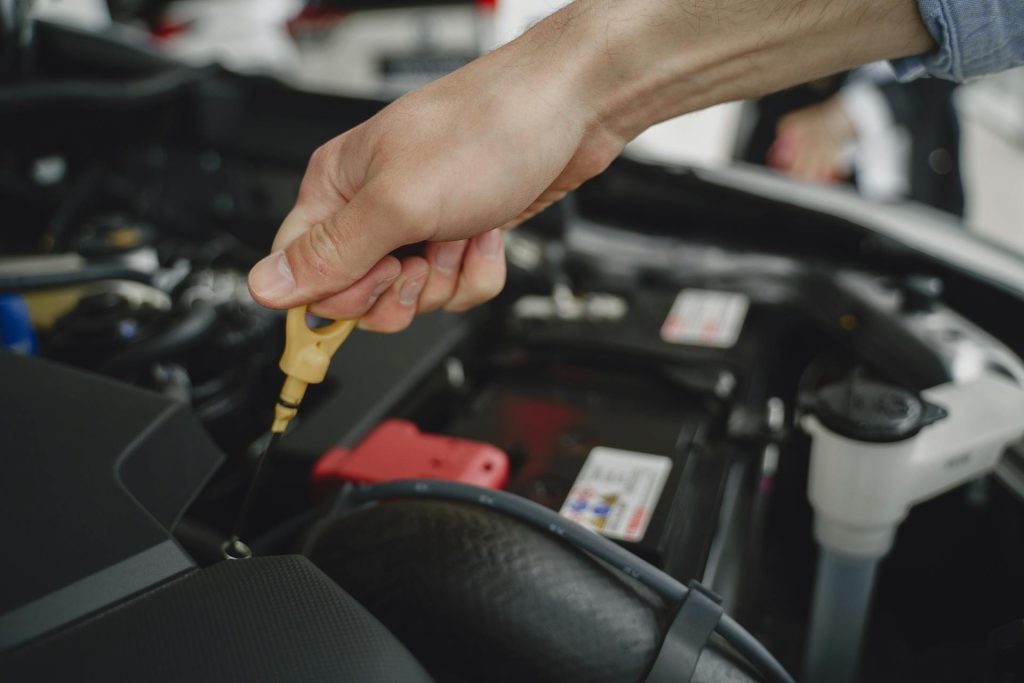
Checking your engine’s oil takes less than five minutes and can help you spot big problems before they happen. Most car companies advise checking the oil when the engine is cold to the touch. Still, check your owner’s manual for the exact instructions for your car. Make sure your car is parked on flat ground. Get a clean rag or paper towel, pop the hood, and find the oil dipstick—it usually has a yellow or orange handle. Pull the dipstick out, wipe it clean, and stick it back in. When you pull it out again, the oil level should be between the two marks on the stick. If it’s lower, take off the oil cap and pour in the type of oil the manual says to use. If there’s no oil on the dipstick at all, add oil until it’s in the correct range, and then get your car checked by a mechanic ASAP. Also, if the oil looks grainy or milky, have a professional look at it.
Check tire pressure
Having tires with too little air can be risky. It can make your tires wear out unevenly and cause you to use more gas. Check your tire pressure about once a month with a gauge to be sure they’re at the PSI suggested by the car maker. Look for that number in your car’s manual or on the sticker on your driver’s side door or door frame. For the best reading, check your tires in the morning or after your car has been sitting for a few hours. Driving heats up the air in the tires, which can hide the fact that they’re low. If any of your tires need air, add some using a tire inflator either at home or at a gas station until they reach the right pressure.
Inspect belts and hoses
While your engine’s cool during an oil check, take a quick look at your hoses and belts. Give the hoses a squeeze to see if they feel hard or brittle. Check for cracks and leaks where they connect. For the belts, see if they’re frayed or look shiny. With the engine on, listen for squeals or shaking. If you spot anything weird, it’s best to get a mechanic to check it out and fix it.
Replace wiper blades
You should swap out your wiper blades every 6 to 12 months. To get the right size, just measure your old ones—most cars use two different sizes. You can also check the wiper guide at most auto parts stores. If you’re buying online, double-check that the blades fit your car.
To put new ones on, lift the wiper arms away from the windshield and cover the glass with a towel or blanket. That way, if you drop the arm, you won’t break the windshield. The instructions for putting on the new blades are usually on the package. If you’re only replacing the rubber part or have a weird type of blade, a YouTube video can really help.
Add washer fluid
Washer fluid is a must for clear visibility when you’re driving. Pick the right fluid for your local weather. Don’t just use plain water because it can freeze and crack the fluid container. To add the fluid, open your car’s hood and find the washer fluid tank. Then, open the tank and pour in the fluid until it reaches the full line. If you spill easily, try using a funnel or the top of a milk jug to help.
Replace the cabin filter
If your car is from after 2002, it probably has a cabin air filter that the air goes through when you use the fan, AC, or heater. Your car’s manual will tell you how often to change it, but if you have allergies or have been driving through wildfire smoke, you might want to change it sooner. Usually, the filter is behind the glove box, and it’s usually easy to change with few or no tools. After you open the filter area (check your manual or YouTube for help), lift the clips to take off the cover and change the filter.
Replace the engine air filter
When you hit the gas in your car, it uses air along with the fuel. That air goes through the engine air filter first to catch any junk that could cause damage. Usually, you should swap out the filter every 20,000 to 30,000 miles—but check your car’s manual to be sure. It’s a simple job on most cars. Just find the air filter box under the hood, pop open the clips or screws on top, lift the cover, and take out the old filter. Put the new one in facing the same way, close the cover, and you’re done.
When to Call a Professional
It’s not a great idea to try every car repair or maintenance task at home. Sometimes, it’s just smarter to get a pro to do it. You can bring your car to a AAA Auto Repair place or a AAA Approved Auto Repair shop, or just call AAA Roadside Assistance if you need a hand.
Things that are tricky or risky to do yourself, like fixing brakes or transmissions, are best left to a repair shop. Taking your car in can also save you trouble and get you a more thorough checkup. Like, changing your oil yourself might not save much money, and you miss out on having someone spot other problems before they become bigger issues.
If your check engine light comes on and your car starts acting up, or if the light is flashing, pull over and call for help. Other signs you should stop driving and have your car towed: if the oil pressure light turns on, there are fluids leaking, it’s hard to steer, the brake pedal feels low, the car is smoking, or there are weird grinding or knocking sounds.
How Often Should You Take Your Car in for an Inspection?
Always stick to the maintenance advice from the car maker in your owner’s manual. You should get a good mechanic to check your car at least once a year for any potential issues. A lot of car companies don’t give you a printed manual anymore; instead, you can find it on their website.
Some states make you get your car inspected or get a smog check to renew your registration. It depends on where you live and how old your car is. These checks just look at the car’s exhaust or basic safety stuff, not the whole mechanical condition.
When you get your oil changed at a shop, they usually give your car a quick once-over, checking fluids, filters, and other things. Before, people thought you should change your oil every 3,000 miles. Now, a lot of cars use synthetic oil that can last up to 10,000 miles between changes.
Car companies give maintenance plans that include when to change the oil and rotate tires. They also suggest getting things checked or replaced after you hit certain mileage milestones like 30,000, 60,000, and 90,000 miles. Again, check your owner’s manual for your car’s maintenance schedule.